A house in North Texas does not have to be falling apart to lose value. Sometimes it just looks dated, works poorly for daily life, or shows the kind of wear buyers notice right away. If you are weighing home renovation that increase home value, the best place to start is not with trends. It is with improvements that make the home work better, look well cared for, and hold up in our local climate.
That matters whether you plan to sell in a year or stay for the next ten. The right renovation can improve comfort now and protect resale later. The wrong one can eat up budget without giving much back. In our experience, value comes from practical upgrades, good workmanship, and choosing projects that fit the condition of the house.
Home renovations that increase home value start with what buyers notice
Many homeowners assume the highest return always comes from the flashiest room. Sometimes it does not. Before anyone admires a new backsplash or freestanding tub, they notice the basics. Does the home feel solid? Has it been maintained? Does it look clean, updated, and move-in ready?
That is why exterior condition, visible wear, and layout issues carry so much weight. A buyer may forgive a guest room with old carpet. They are less likely to ignore a worn roof, damaged siding, stained ceilings, or a kitchen that feels cramped and outdated. Even if you are not selling soon, these same issues affect how you live in the home every day.
In Plano and surrounding communities, many homes are old enough to need meaningful updates but not so old that a full rebuild makes sense. That creates a sweet spot for renovations that improve function and appearance without overbuilding for the neighborhood.
Kitchen remodeling usually brings strong value
Kitchens matter because they do heavy daily work. They are one of the first rooms homeowners notice when they walk a property, and one of the hardest spaces to ignore if the design feels dated.
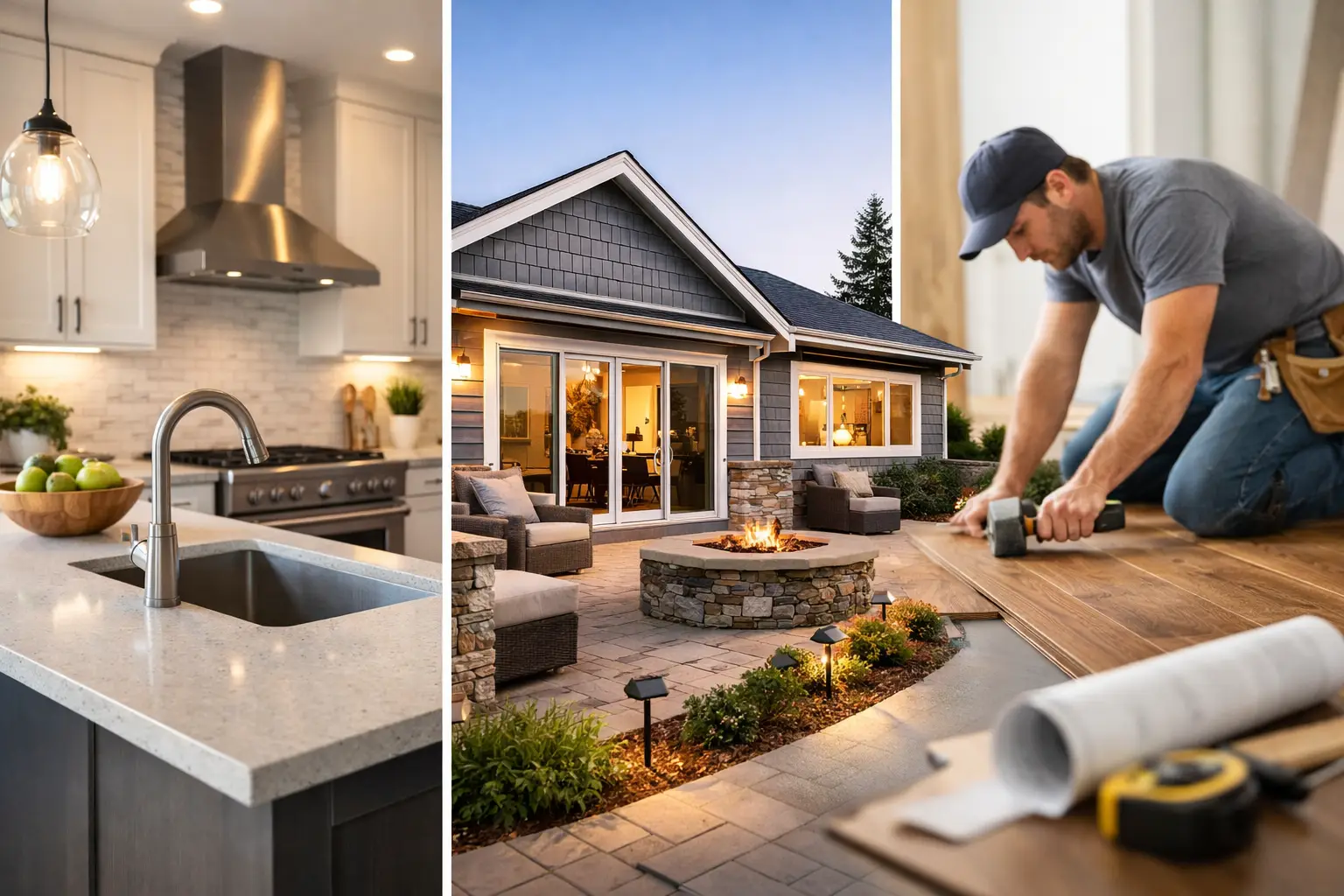
A smart kitchen remodel does not always mean tearing everything out. In many homes, value comes from improving the layout, replacing worn cabinets, updating countertops, improving lighting, and installing durable finishes that look current without feeling trendy. New flooring and a cleaner backsplash can also make the room feel far more finished.
The key is to match the renovation to the home. If the house is mid-range for the area, a practical, well-built kitchen often performs better than a luxury showpiece with premium materials that push the budget too far. Buyers tend to appreciate storage, counter space, and a layout that makes sense more than highly customized features.
If your kitchen has bottlenecks, poor lighting, or visible age, this is often one of the safest places to invest.
Bathrooms add value when they solve real problems
Bathroom remodeling is another reliable way to improve value, especially when the existing space looks worn or no longer fits the household. Old tile, damaged vanities, poor ventilation, and outdated plumbing fixtures make a home feel neglected even when the rest of the property is in decent shape.
The best bathroom upgrades usually focus on clean design, water resistance, and daily usability. Walk-in showers, updated tile, modern vanities, better lighting, and improved storage all make a difference. In family homes, adding function can matter as much as appearance. A bathroom that is easier to clean and better suited to busy mornings has real appeal.
There is also a difference between renovating and overdoing it. Heated floors and high-end spa features can be nice, but they do not always return their cost. A solid remodel with quality materials and dependable installation tends to hold value better than a luxury upgrade that only fits a narrow buyer taste.
Roof, siding, and exterior repairs protect value fast
Some of the best returns come from work that is less exciting to talk about. Roofing, siding, trim repair, and exterior updates may not get the same attention as a kitchen remodel, but they directly affect how buyers judge the condition of the home.
In North Texas, weather exposure is part of the equation. Heat, storms, wind, and moisture take a toll over time. If a roof is nearing the end of its life, or siding shows damage and neglect, that can drag down value quickly. It also raises red flags during inspection.
Replacing a worn roof or repairing damaged exterior materials does two things at once. It improves curb appeal, and it signals that the house has been maintained. That matters to buyers because they know these are expensive items. A home that looks structurally cared for feels less risky.
Even if you are not listing the property soon, these upgrades help prevent bigger problems. Water intrusion and hidden damage can turn a manageable project into a much larger repair.
Layout improvements can be worth more than cosmetic updates
Some homes lose value because they do not live well. A closed-off kitchen, awkward traffic flow, poor storage, or unused square footage can make the entire property feel smaller than it is.
That is where layout improvements can pay off. Opening up key living areas, improving connections between kitchen and family space, or turning underused rooms into practical space often adds more real-world value than surface-level cosmetic work alone.
This is especially true for homeowners who plan to stay put for a while. A better layout improves day-to-day life immediately. Later, when it is time to sell, buyers respond to homes that feel easy to live in.
That said, structural changes need careful planning. Removing walls, rerouting systems, and adjusting room configuration should be done with a clear scope and realistic budget. Not every wall needs to come down. In many cases, targeted changes do the job without turning the remodel into a full gut project.
Flooring, paint, and finish updates still matter
Not every value-boosting renovation has to be major construction. Fresh interior paint, updated flooring, and consistent finishes throughout the house can make a strong difference, particularly in older homes with patchwork updates.
These improvements work best when they create a cleaner, more unified look. Neutral paint, durable flooring, updated baseboards, and modern light fixtures help the home show better without making it feel overdesigned. If the house has multiple flooring types from different decades, bringing that into alignment can make the whole property feel more current.
Cosmetic upgrades usually will not overcome a bad roof or a failing bathroom, but they do support the overall impression of care. And when paired with bigger renovations, they help tie the home together.
Energy efficiency helps, but buyers still want visible value
Homeowners often ask about windows, insulation, and efficiency upgrades. These can be worthwhile, especially if the house is drafty, uncomfortable, or expensive to cool in the summer. In Texas, energy performance matters.
Still, efficiency improvements tend to have the best impact when they solve a noticeable problem. New windows may help if the old ones are failing, hard to operate, or visibly dated. Added insulation may improve comfort, but it is not always the first thing a buyer will pay more for if other visible areas of the home need attention.
That is why project order matters. If your budget is limited, tackle deferred maintenance and high-visibility rooms first. After that, efficiency upgrades can strengthen the package.
The best return depends on your house, your neighborhood, and your timing
There is no single list of upgrades that works for every property. A kitchen remodel in one neighborhood may be a smart investment. In another, roof replacement and exterior repair may matter more because buyers expect the interior to be simple but solid.
You also need to think about timing. If you plan to sell soon, choose broad-appeal updates that improve condition and presentation. If you expect to stay longer, it can make sense to combine resale-minded choices with improvements that make the house fit your family better.
That is where honest planning matters. A dependable contractor should help you sort out what needs repair, what adds value, and what may not be worth the cost. At Trident General Contracting LLC, that practical approach is a big part of how projects stay focused and manageable.
How to decide where to invest first
Start with anything that affects structural integrity, water intrusion, or major visible wear. After that, look at kitchens, bathrooms, and layout problems that make the home feel dated or difficult to use. Then address cosmetic issues that improve consistency and appearance.
If you are unsure, walk through your home as if you were seeing it for the first time. What stands out right away? What would make you worry? What feels old in a way that pulls down the whole house? Those answers usually point you in the right direction.
The best renovation is not always the biggest one. It is the one that solves the right problem, is built correctly, and leaves the home in better shape than before. If you keep that standard in mind, you will make better decisions for both your property value and your daily life.
A well-renovated home does more than impress buyers. It gives you a house that feels cared for, works the way it should, and holds its value with fewer surprises down the road.