
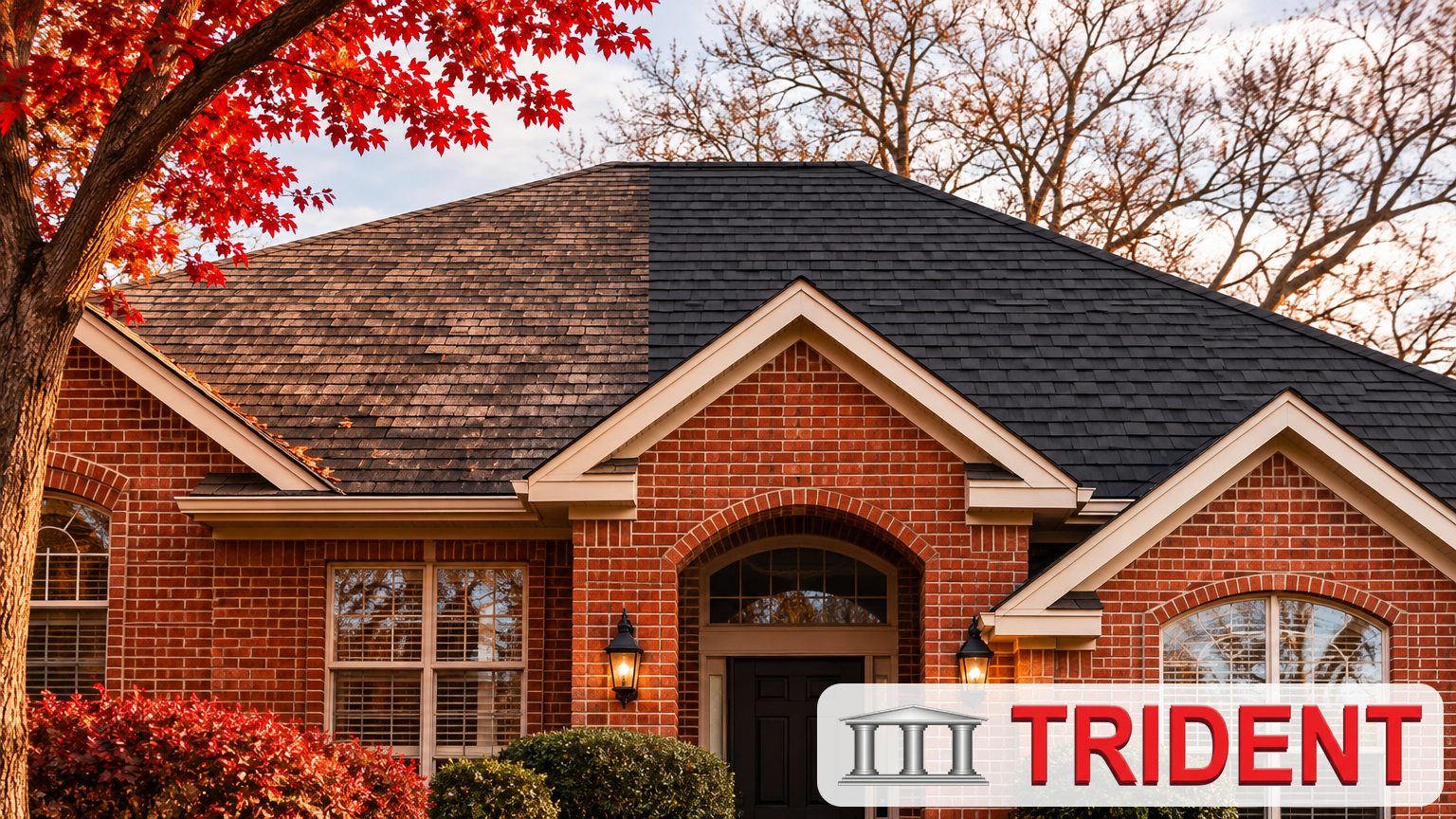
Repair or Replace? How Plano Homeowners Can Decide What Their Roof Really Needs Before Winter

Paul Willi
Owner, Trident General Contracting (35 Years in North Texas)
Your roof has been through a lot. North Texas summers are brutal, fall brings its own round of wind and rain, and if your shingles are showing their age, the question on your mind is probably this: do I need a full roof replacement, or can I get by with repairs for now?
It is a genuinely important question, and the honest answer is that it depends on several factors specific to your home, your roof's age, its current condition, and what kind of winter weather Plano throws at it over the coming months. This post walks you through exactly how to think about that decision so you can go into any contractor conversation fully informed.
If you would like a professional set of eyes on your roof before you commit to anything, request a free consultation with Trident General Contracting. There is no pressure and no fee, just a straight assessment of what your roof actually needs.
Why Fall Is the Right Time to Think About Your Roof in North Texas
Many Plano homeowners wait until they spot an active leak before thinking about their roof. By that point, water has usually been working its way into the structure for a while, and what might have been a straightforward repair can become a much larger project.
Late fall is a better window. The intense summer heat has passed, which means crews can work more efficiently and materials perform better during installation. At the same time, winter cold snaps, ice, and occasional freezing rain are still ahead, and those conditions stress an already-weakened roof much harder than mild weather does.
Getting a proper assessment now means you have time to plan, pull permits if needed, schedule work, and have everything buttoned up before the coldest weeks of the year arrive. Waiting until January means working in tighter scheduling windows with less flexibility.
Repair vs. Replace: The Core Question
These are two very different projects. A repair targets a specific problem area, such as a handful of missing or cracked shingles, a flashing failure around a chimney or vent, or a small section of compromised decking. It costs less upfront and makes good sense when the rest of the roof is in solid shape and has meaningful life left in it.
A full replacement involves removing all existing roofing material down to the decking, inspecting and repairing the decking as needed, and installing a complete new roofing system from underlayment through finished shingles or other roofing material. It is a larger investment but it resets the clock on your roof's life and eliminates the patchwork cycle that can otherwise drag on for years.
The challenge is that it is hard to know which one makes sense from the ground. Many of the signs that point toward replacement are only fully visible from the roof itself or during a close inspection of the attic below.
Signs Your Plano Roof May Need More Than a Simple Repair
Some of these you can spot from the street or from inside the attic. Others require a closer look. Use this list as your starting point.
- Age of 20 years or more. Most standard three-tab asphalt shingles are designed for a 20- to 25-year life under typical conditions. North Texas heat accelerates wear, so if your roof is approaching or past that range, repairs start to become a short-term fix on a system nearing the end of its useful life.
- Widespread granule loss. Check your gutters. A large volume of dark, sand-like granules is a clear sign that shingles are degrading broadly, not just in one spot. This kind of wear is rarely contained to a small area.
- Curling, cupping, or cracking shingles across multiple sections. A few damaged shingles in one place after a storm suggests a repair. Curling or cracking spread across different slopes of the roof suggests the material itself is deteriorating.
- Daylight visible in the attic. If you can see light coming through the roof decking when you are in an unfinished attic space, you have gaps that are letting in water, air, and pests. That is a serious structural concern.
- Sagging areas on the roof plane. Any sagging between rafters or along the ridge line points to decking or structural issues that go deeper than shingles alone.
- Repeated leaks in the same location. If you have had a spot repaired once or twice and water keeps finding its way in, the underlying cause may not be isolated. Sometimes the whole system needs to be addressed.
- Storm or hail damage over a large area. Individual hail strikes can dent or crack shingles across an entire roof slope. This kind of damage often justifies a full replacement, particularly when it is paired with an insurance claim.
What Affects the Scope of a Roofing Project in Plano?
Even once you decide that a replacement makes sense, the scope of the actual project varies considerably from one home to another. Here are the main variables that a contractor will evaluate during an inspection.
Roof size and pitch. Larger roofs obviously require more material and labor. Steep-pitched roofs also require additional safety equipment and slower working conditions compared to shallower slopes, which affects both time and logistics.
Number of layers currently on the roof. Some older homes have two or even three layers of shingles installed on top of each other over the years. Building codes typically limit how many layers are allowed, and removing multiple layers adds labor and disposal cost to the project. It also gives the contractor a chance to inspect the decking beneath, which is often necessary anyway.
Condition of the decking. The decking, or roof sheathing, is the wooden surface that everything else sits on. If water has been penetrating for a while, sections of decking may be soft, rotted, or structurally compromised. These sections need to be replaced before new roofing goes on. This is one of the things that is very difficult to assess accurately without getting on the roof and doing a close inspection.
Flashing around penetrations. Every chimney, skylight, pipe, or vent that passes through the roof requires flashing, which is typically metal or similar material that seals the junction between the roofing and the penetration. Old or improperly installed flashing is one of the most common sources of leaks. A full replacement is usually a good opportunity to update all flashing at the same time.
Ventilation. A properly ventilated attic extends the life of your roof by preventing heat and moisture buildup. If your current roof has inadequate ridge venting, soffit vents, or other ventilation components, addressing those during a replacement makes practical sense. A contractor should evaluate the ventilation picture as part of any full roof assessment.
Material choice. Standard three-tab asphalt shingles are the most common choice in Plano, but architectural (dimensional) shingles offer improved durability and a more finished appearance. Metal roofing is another option increasingly chosen for its longevity. Each material has different characteristics. The right choice depends on your budget, your plans for the home, and what your neighborhood HOA, if applicable, allows.
Permit requirements. Roofing work in Plano generally requires a permit, though requirements vary. Your contractor should handle permit coordination. Always confirm current permit and inspection requirements directly with the City of Plano and with your contractor before work begins.
Your Pre-Consultation Checklist
Before you meet with a contractor for a free roof assessment, gather a little information ahead of time. It makes the conversation more productive.
- Approximate age of your current roof, if you know it (check closing documents if you are unsure)
- Any history of repairs, previous storm damage, or insurance claims
- Locations of any known leaks or water stains inside the home
- HOA guidelines if applicable, particularly around material or color choices
- Any photos you have taken of problem areas from the ground or attic
- Your general timeline, as in whether you need this done before a specific date or if you have flexibility
You do not need to have all of this to get started, but the more context you can share, the more useful the initial assessment will be.
Ready to find out what your roof actually needs? Schedule your free roofing consultation with Trident General Contracting today. Paul and his team will give you an honest assessment with no pressure and no upsell.
Common Mistakes Plano Homeowners Make When Evaluating Their Roof
Assuming a visual check from the ground is enough. It is a starting point, but many of the most important indicators of roof health are only visible up close or from inside the attic. Do not make a major decision based solely on what you can see from your driveway.
Choosing the cheapest repair and hoping it holds. There are absolutely cases where a targeted repair is the right call. But if that repair is a band-aid on a roof that is fundamentally near the end of its life, you will be spending money again in a year or two. A good contractor will tell you honestly when repair makes sense and when it does not.
Waiting until there is an active leak. Water damage compounds quickly. What looks like a minor stain on a ceiling can represent weeks or months of slow intrusion that has affected insulation, decking, and potentially framing. Getting ahead of the problem is almost always less expensive than reacting to it.
Skipping the attic inspection. The underside of your roof deck often tells the clearest story about what is happening above. Dark staining, soft spots, or daylight coming through are significant findings. If a contractor is not checking the attic as part of a thorough assessment, that is worth asking about.
Not confirming permit requirements. Roofing replacements typically require permits in Plano. Unpermitted work can create complications when you sell your home. Always make sure your contractor is pulling the appropriate permits and that the work is inspected as required.
Frequently Asked Questions
How do I know if my roof damage is covered by homeowners insurance? Insurance coverage depends on the cause of the damage. Storm damage, hail, and wind are typically covered causes under standard homeowners policies. Normal wear and age-related deterioration generally are not. If you suspect storm damage, your contractor can document the condition during an inspection. What your policy specifically covers is a question for your insurance provider.
Can roofing work be done in winter in North Texas? In most cases, yes. Plano winters are mild compared to northern climates, and roofing crews routinely work through December and into January. Extremely cold temperatures below about 40 degrees Fahrenheit can affect how asphalt shingles seal properly, so very cold snaps may affect scheduling. Your contractor can advise based on the specific materials and conditions.
What is the difference between a repair and a maintenance visit? A repair addresses a specific problem: replacing damaged or missing shingles, resealing flashing, fixing a leak point. A maintenance visit is more preventive, involving a general inspection and minor adjustments to extend roof life. Both are legitimate services, and the right one depends on what your roof's current condition calls for.
How long does a full roof replacement take? Every project is different and timelines vary based on roof size, complexity, weather, and scheduling. Rather than quote a number here that may not apply to your home, ask your contractor for a project-specific timeline after they have assessed your roof. That estimate will be much more useful than a general range.
Do I need to be home during the work? Generally, you do not need to be present for the full duration of the project, though it is a good idea to be available or reachable. Your contractor should walk you through what access they need and what to expect before work begins.
What Happens at a Free Roofing Consultation with Trident General Contracting?
Here is what you can expect when you reach out to Trident for a free consultation on your roof:
A real property visit. Paul or a member of his team comes to your home and gets eyes on the actual roof, not just your description of it. That means inspecting the roof surface, checking flashing, looking at the attic if appropriate, and noting the condition of gutters, fascia, and related components.
An honest assessment. If a targeted repair is the right answer for your situation, that is what you will hear. If the roof is at a point where replacement makes more practical sense, Paul will explain why, in plain language, so you understand the reasoning behind the recommendation.
Answers to your specific questions. You will have the chance to ask everything on your mind, from material options to how permits work to what the process looks like week by week. There is no rush and no pressure.
A clear next step. You leave the consultation knowing what the project involves, what comes next if you decide to move forward, and what you need to know to make a confident decision. No obligation, no surprise charges for the consultation itself.
The Next Step: Get Your Roof Assessed Before Winter
If your Plano home's roof is showing any of the signs mentioned in this post, or if you simply are not sure what condition it is in and want a professional opinion, now is the time to find out. The window between late fall and the coldest weeks of winter is exactly the right time to get a clear picture of where things stand.
Trident General Contracting has been helping Plano homeowners with roofing and construction projects for over 35 years. The consultation is free, the assessment is honest, and there is no pressure to commit to anything on the spot.
Contact Trident General Contracting today to schedule your free roofing consultation. You can also visit the Trident roofing services page to learn more about what the team offers Plano homeowners.
About the Author: Paul Willi is the owner of Trident General Contracting LLC, a general contracting company based in Plano, Texas. With 35 years of hands-on experience in residential construction, Paul founded Trident on a foundation of craftsmanship, honest communication, and reliable project management. Trident serves homeowners throughout Plano and the surrounding area with roofing installation, home additions, decks, garages, outbuildings, and more.

Ready to build something beautiful?
Tell us about your project and book a free, no-obligation consultation.